
Italian pasta is more than just food: it is tradition, creativity and culture. Each shape tells a story and was created with a specific purpose: to enhance sauces and create taste experiences.
There are numerous historical curiosities behind the most popular shapes – from spaghetti to mafaldine, from rigatoni to fusilli , to penne and sedani rigati – such as the combinations that best enhance them.
Why are there so many shapes of pasta?
Each format is the result of a combination of gastronomic needs and local culture:
• Length and thickness affect the type of seasoning to pair with it.
• Grooves and curves hold thick sauces better
• Historical origins tell stories of regions, families and special occasions
Spaghetti: the Italian symbol around the world
The first traces date back to the 12th century in Sicily, when people spoke of triya, the ancestor of spaghetti. From southern Italy, they became the most iconic pasta shape, a symbol of Italian cuisine around the world.
Ideal matches:
• Garlic, oil and chilli pepper
• Carbonara or cacio and pepe
• Seafood sauces (clams, mussels, prawns)
With Valdigrano Qualità Superiore, the spaghetti retain their texture and coats the sauce perfectly.
Penne rigate: limitless versatility
Created in Liguria in the 19th century, their name derives from their oblique cut, reminiscent of the tip of a fountain pen. They are among the most popular shapes due to their practicality.
Ideal matches:
• Arrabbiata sauce
• Baked pasta with mozzarella and tomato
• Vegetable and cheese creams
Also available in the Valbio whole-wheat, version, for those seeking taste and wellbeing.
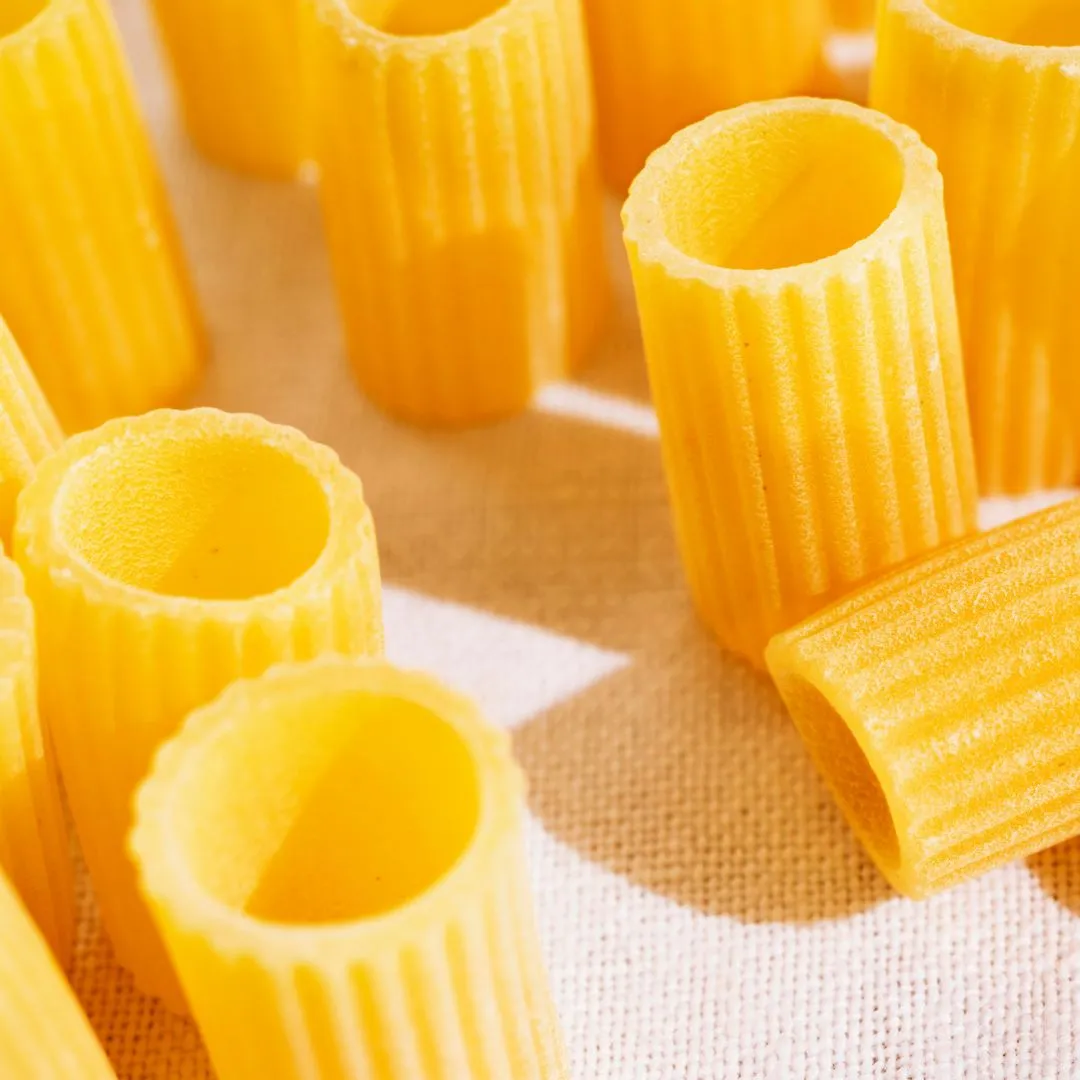
Rigatoni: the pasta for rich recipes
Originally from Rome, rigatoni were created to accompany the strong ragù sauces of the Lazio region. The ridges perfectly hold thick sauces.
Ideal matches:
• Bolognese or sausage ragù
• Baked timbales
• Sauces with vegetables and cheese
Perfect with the Qualità Superiore Valdigrano range, which guarantees firmness even during prolonged cooking.
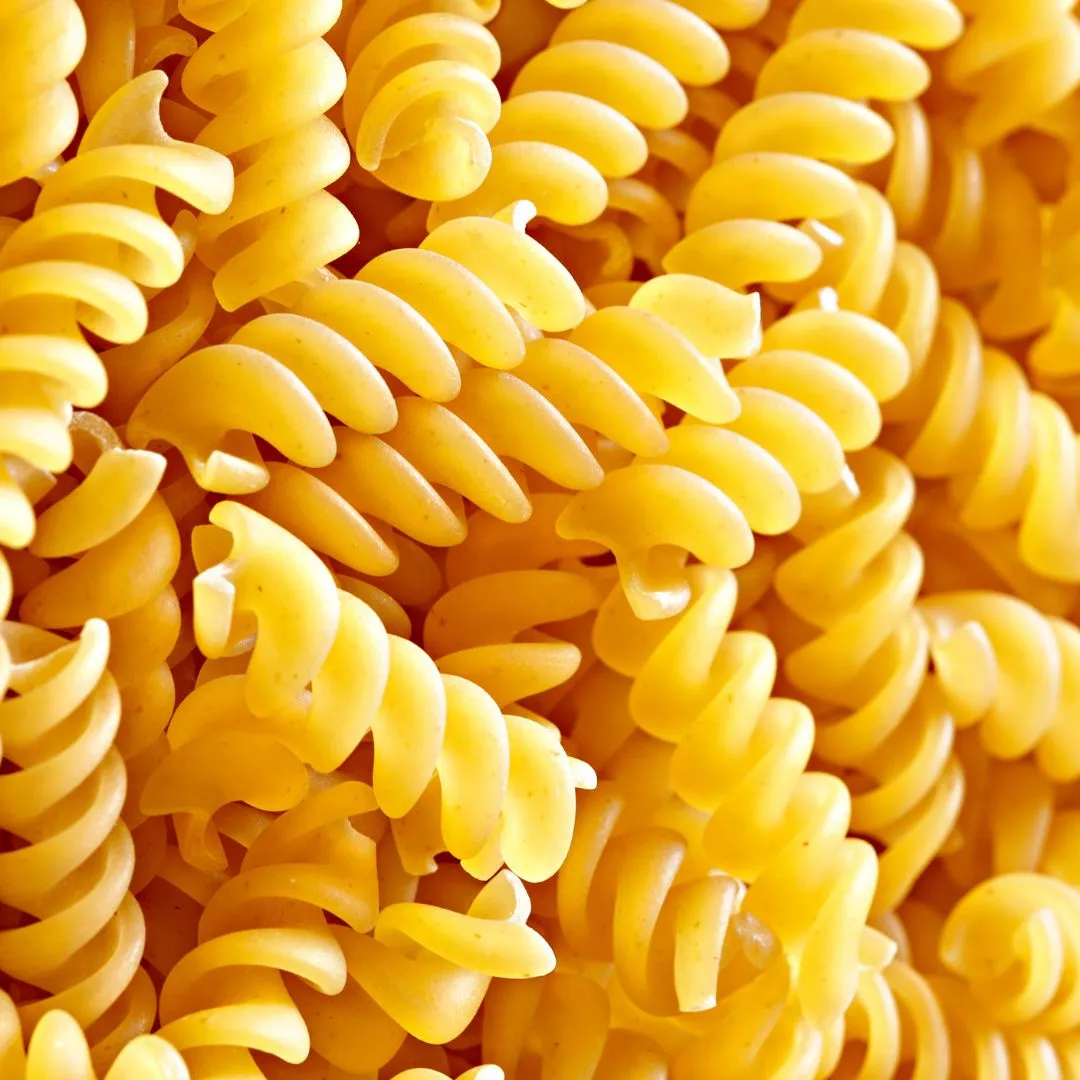
Fusilli: the spiral of flavour
Created in southern Italy, their name derives from fuso, the tool used to roll pasta by hand. Their spiral shape holds onto every sauce.
Ideal matches:
• Vegetable pestos
• Creamy cheese sauces
• Pasta salads
Try the wholemeal Valbio whole-wheat version for light, fibre-rich dishes.
Linguine: Mediterranean elegance
Originally from Liguria, linguine were designed to enhance the fish-based sauces typical of Ligurian cuisine.
Ideal matches:
• Seafood and shellfish
• Delicate pestos
• Light dressings with oil and lemon
Mafaldine: the royal pasta
Created in honour of Princess Mafalda of Savoy, these wavy stripes were a symbol of refinement on noble tables.
Ideal matches:
• Neapolitan ragù
• Thick, full-bodied meat sauces
• Oven-baked recipes with creamy sauces
With Valdigrano, mafaldine pasta retains its shape during cooking and holds the sauce in its side waves.
Sedani rigati: the perfect pasta for rich sauces
A refined variation on classic celery, which originated in central Italy, sedani rigati is ideal for rich recipes and gratins.
Ideal matches:
• Cream and mushroom sauces
• Meat sauces
• Timbales and gratins
How to choose the right shape?
Some tips for choosing the best shape to enhance each recipe, based on the seasoning:
Simple, light → spaghetti, linguine
Rich sauces → penne, rigatoni, sedani rigati
Pesto and cream sauces→ fusilli, mafaldine
Every shape of pasta has its own unique history and character. With pasta Valdigrano Qualità Superiore, every recipe becomes a journey through tradition, taste and innovation. Because choosing the right shape means enhancing the sauce and celebrating true Italian food culture.