
The choice between smooth or grooved pasta is one of the dilemmas that often arises in every kitchen. Some people choose instinctively or out of habit, but behind this choice, which seems to be only a matter of personal taste, there is actually something much more interesting: the functionality of the shape.
Each type of pasta is created with a specific purpose in mind. Knowing and using them correctly means improving the result on the plate without changing the ingredients, simply by making the right choice at the right time.
Not a challenge between different shapes, but a balancing act
Smooth or grooved are not two versions of the same pasta: they are two different tools, designed to interact differently with the sauce. Everything revolves around how the sauce binds to the surface of the pasta and how it reaches the palate, bite after bite.
This is where “science applied to cooking” comes into play, even if the end result is pure pleasure.
Smooth pasta: when the sauce needs to coat it
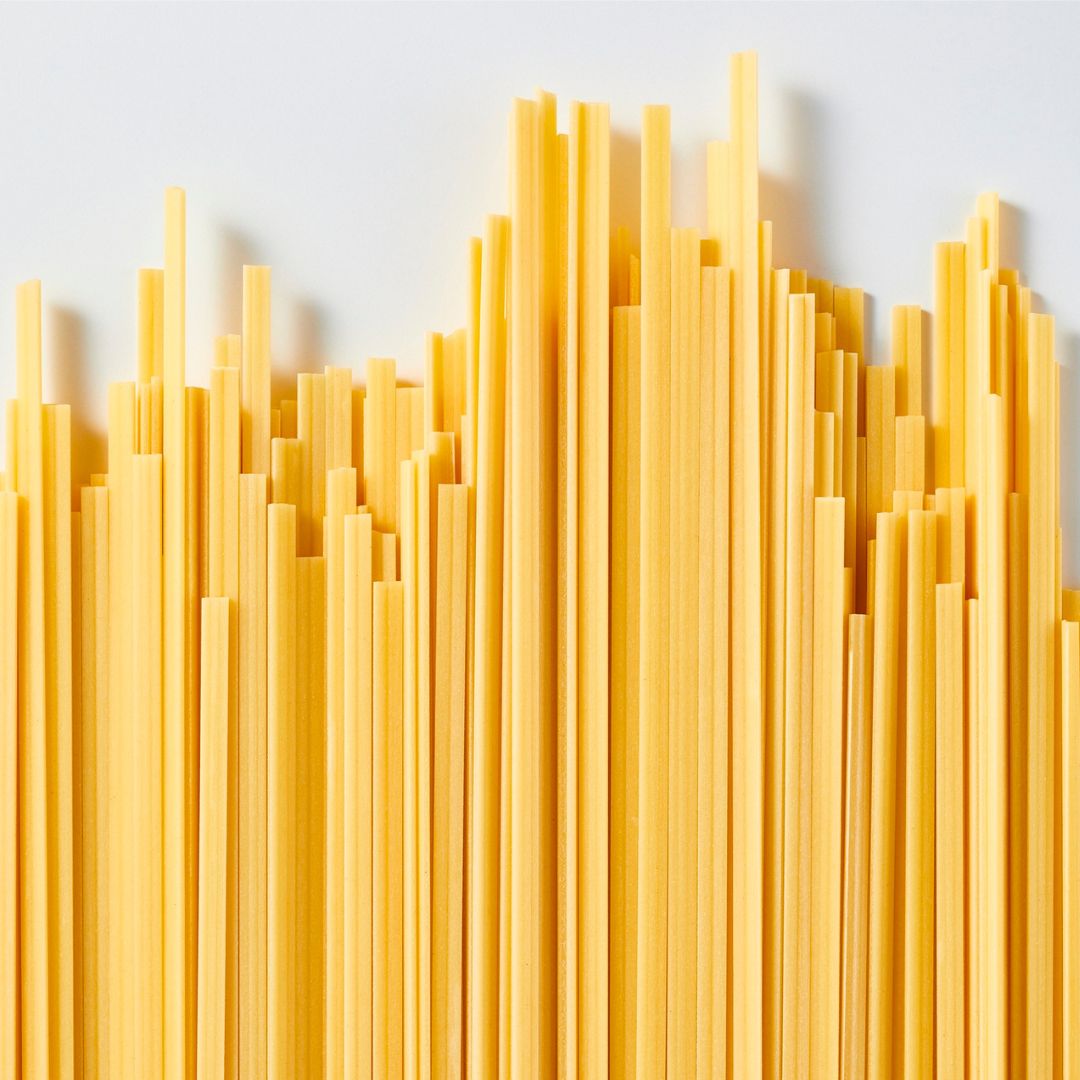
Smooth pasta has a uniform, continuous surface without any interruptions. This makes it ideal for all those sauces that do not need to be “held back”, but simply envelop the pasta harmoniously.
It is the perfect choice when the sauce is:
• creamy
• velvety
• smooth
In these cases, a smooth surface allows the sauce to distribute its flavour evenly, without accumulating or dispersing.
When smooth pasta is the best choice
With sauces such as carbonara, cacio e pepe, butter and sage, cheese-based sauces or vegetable creams, smooth pasta offers an elegant and well-balanced result.
Shapes such as spaghetti, linguine, fettuccine or smooth paccheri work well because they accompany the sauce without overpowering it.
Grooved pasta: when the sauce needs to be ‘captured’
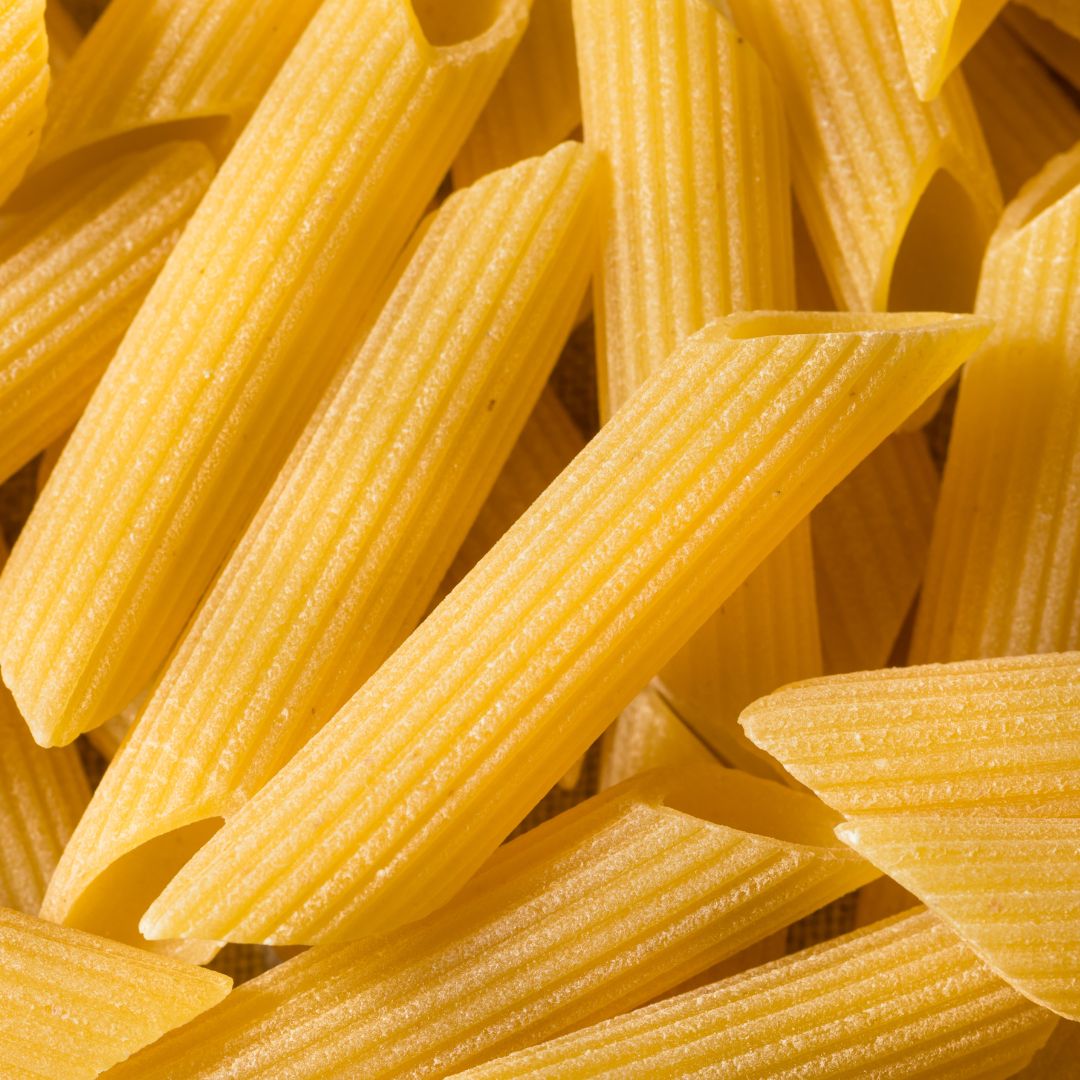
Grooved pasta was created for a different purpose. The grooves are not decorative: they serve to increase the contact surface and create small grooves in which the sauce can settle.
This makes grooved pasta ideal for:
• more liquid sauces
• more structured condiments
• rustic preparations
Each groove becomes an anchor point, capable of retaining the sauce and making every bite richer.
When grooved pasta elevates the dish
Meat or vegetable ragù, tomato sauces, legumes, fish sauces with chunks: in all these cases, penne rigate, sedani rigati, rigatoni or mezze maniche are the most effective choice.
The result is a fuller, more satisfying dish that is more consistent with the type of sauce.
A small “scientific” concept that explains everything
From a technical point of view, the difference is simple:
• smooth pasta has less friction, so the sauce slides off
• grooved pasta has more friction, so the sauce sticks
There is no single best shape, but rather a shape that is best suited to each sauce. It is this awareness that makes the difference between a successful dish and one that is just ‘good’.
The quality of the pasta matters more than its shape
Whether smooth or grooved, the shape only really works if the pasta is of high quality. Good cooking properties, a solid structure and a well-defined surface allow the shape to do exactly what it was designed to do.
Pasta such as Valdigrano retains its shape, enhances the surface and accompanies the sauce without falling apart or losing its consistency, both in smooth and grooved versions.
There is no single answer to the question of whether to choose smooth or grooved pasta, but there is a right answer for every sauce. Understanding this difference means cooking more consciously, even in the simplest of preparations.
With high-quality pasta such as Valdigrano, every shape finds its ideal function and every sauce its perfect companion. Because, in cooking, it’s not just a question of ingredients, but of balance.