
Among the techniques that have attracted growing attention when it comes to sustainability in the kitchen is passive pasta cooking, a simple method that reduces energy consumption while preparing one of Italians’ most beloved foods.
But does it really work? And above all, how is it done correctly? This guide explains what passive cooking is, what advantages it offers, and how to apply it to get perfectly cooked pasta.
What is passive pasta cooking?
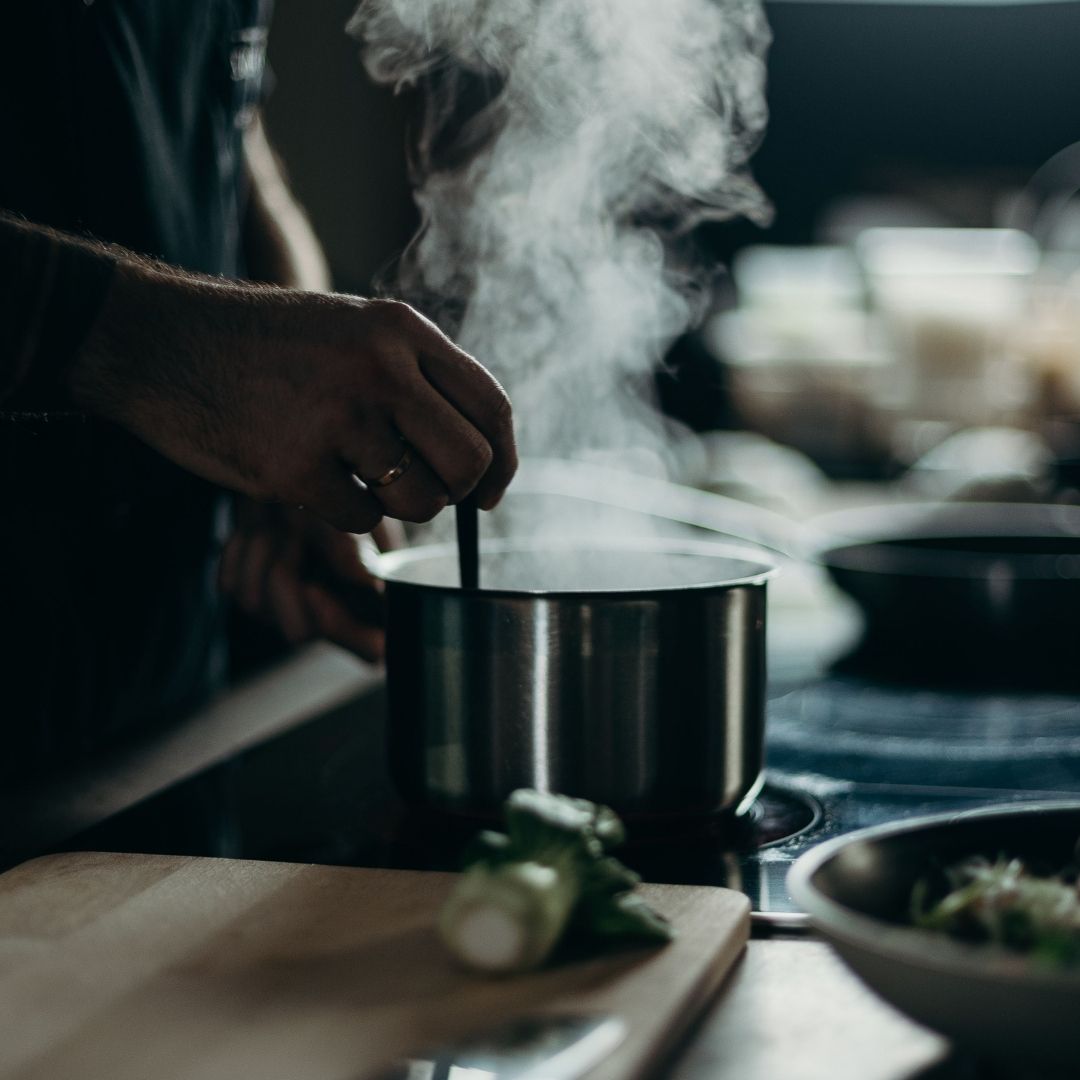
Passive cooking means using the heat stored in boiling water to finish cooking pasta without keeping the burner on the whole time.
The principle is simple:
1. bring the water to a boil
2. add the pasta
3. let it boil for a few minutes
4. turn off the heat
5. cover the pot with a lid
6. wait for cooking to finish
The residual heat continues to cook the pasta without any further energy use.
Why is passive cooking sustainable?
Turning off the burner before cooking is complete cuts energy consumption by as much as 30–50%, depending on the type of stovetop used and preparation times.
The benefits are numerous:
• lower gas or electricity consumption
• reduced CO₂ emissions associated with meal preparation
• long-term cost savings
• less heat dispersion in the kitchen
How to do passive cooking: a step-by-step guide
1. Bring the water to a boil
Use the usual recommended amount of water. Once it reaches a boil, add salt and pour in the pasta.
2. Let it cook for the first few minutes
The pasta should cook initially with the heat on. As a general rule:
pasta with an 8-minute cook time: boil for about 2 minutes
pasta with a 10-minute cook time: boil for about 3 minutes
pasta with a 12-minute cook time: boil for about 4 minutes
This step allows the surface starch to begin the gelatinization process.
3. Turn off the heat and cover the pot
After this initial boiling phase, turn off the burner completely and cover the pot with a lid. The lid is essential to prevent heat from escaping.
4. Wait out the remaining time
Leave the pasta in the hot water for the remaining time needed. Reference table:
• 8 min on the package → 2 min boiling + 6 min passive cooking
• 10 min on the package → 3 min boiling + 7 min passive cooking
• 12 min on the package → 4 min boiling + 8 min passive cooking
It’s advisable to taste the pasta a minute before the end to check that it’s cooked to your liking.
Does passive cooking work with all shapes?
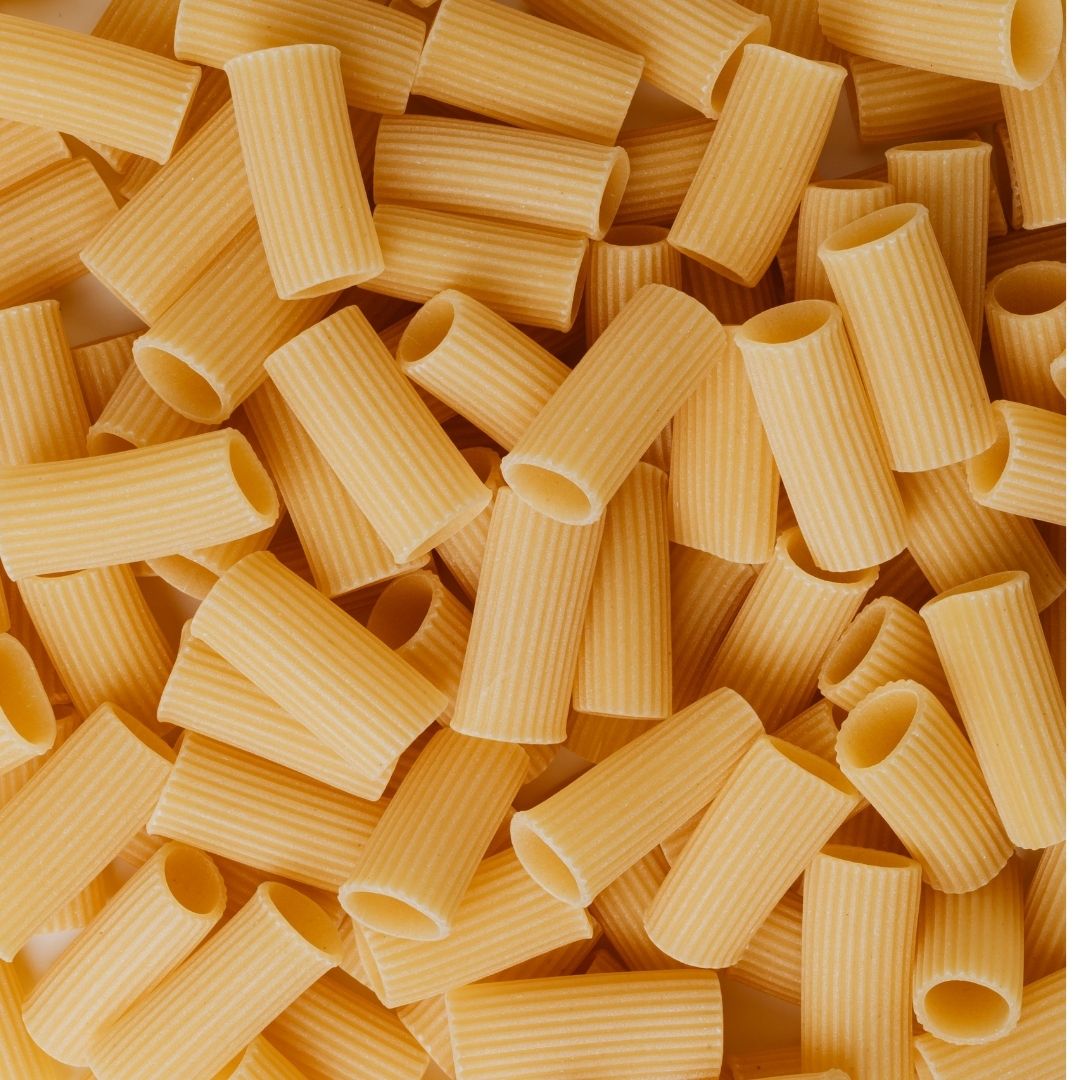
The technique can be applied to most pasta shapes. Spaghetti, fusilli, tortiglioni, penne, and chifferi are particularly well suited to this method. What matters is using quality pasta that can hold its texture and structure even during a gentler cooking process.
The role of pasta quality
To get the best results with passive cooking, it’s essential to start with excellent raw materials. The Valdigrano Qualità Superiore line, made with 100% Italian Kronos® durum wheat, stands out for its high protein content and excellent bite when cooked. These qualities allow the pasta to maintain its consistency, elasticity, and structure even when cooking is finished using the water’s residual heat.
Passive cooking: a smart choice for the future
Passive pasta cooking is a simple, modern solution accessible to everyone: it saves energy, reduces CO₂ emissions, and cuts household costs without giving up the pleasure of a good meal. Paired with quality pasta like Valdigrano Qualità Superiore, it becomes a small gesture that brings together flavor, environmental awareness, and savings.