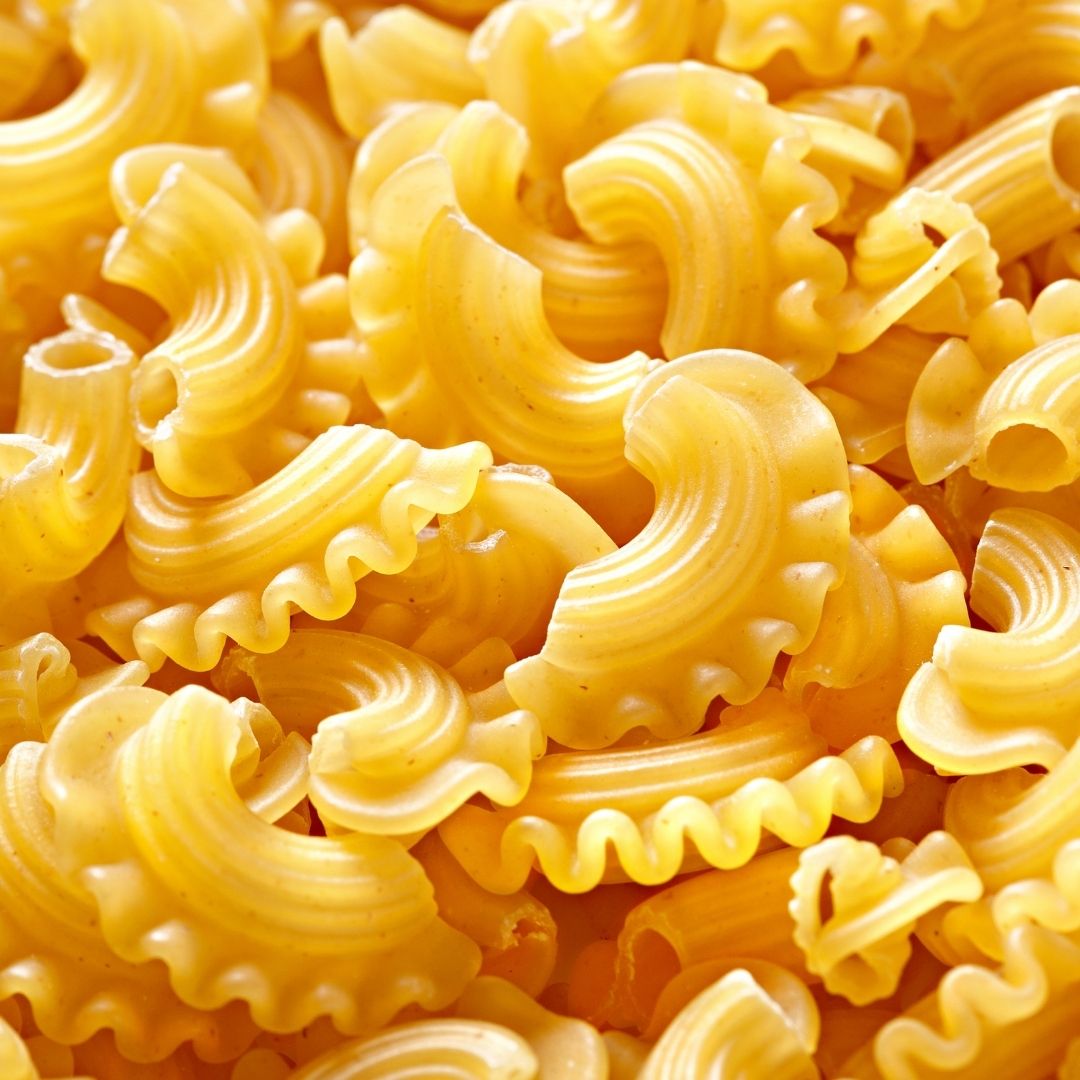

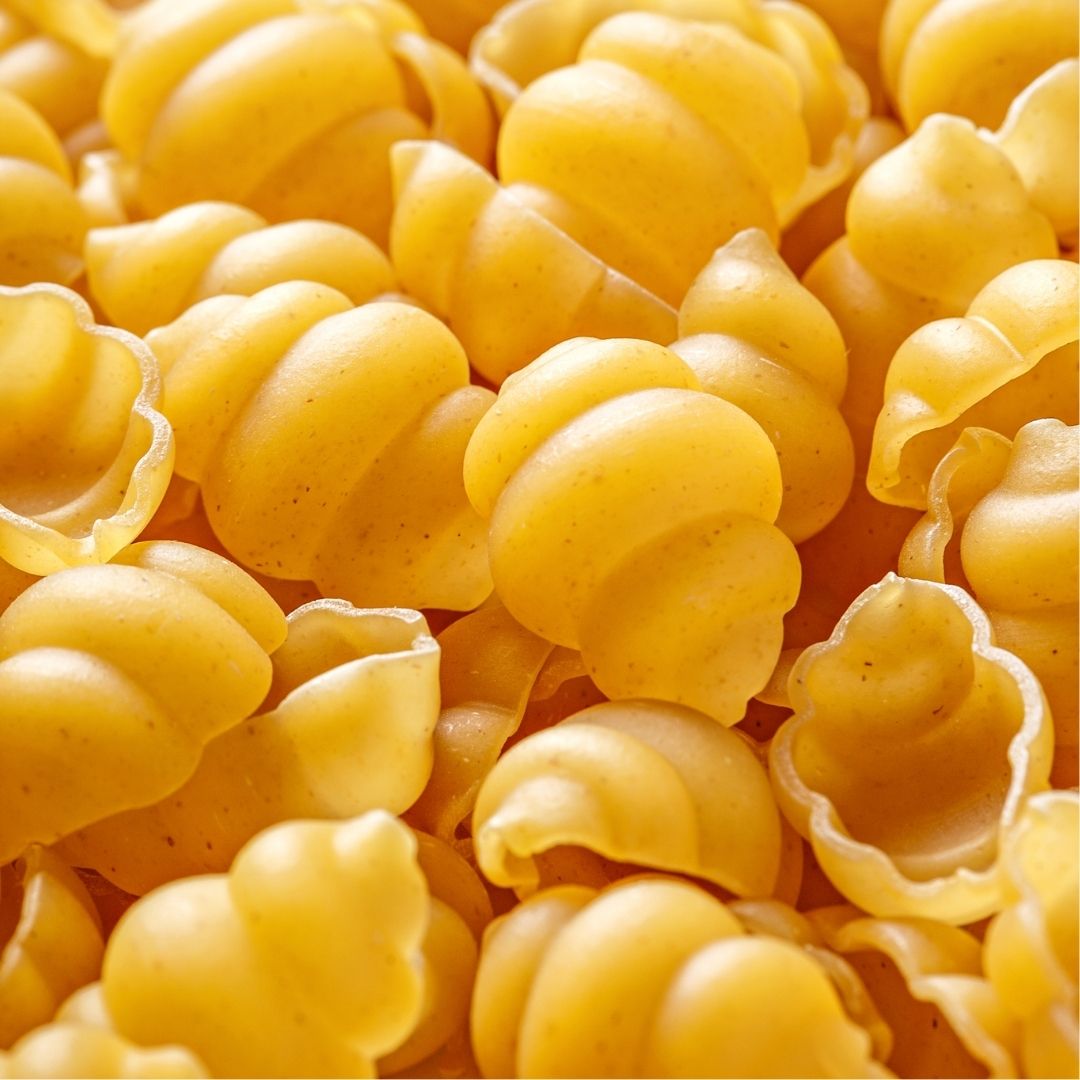
When we choose a plate of pasta, we often think first about the sauce and only afterward about the shape. Yet in Italian cuisine, the shape of pasta has never been a random choice. Every curve, ridge, cavity, or spiral was created for a precise purpose and tells a story made of territory, tradition, and practical necessity.
Understanding how a pasta shape is born means looking at this food with different eyes, and discovering just how much its shape contributes to the final taste of the dish.
When pasta was born to solve a problem
In centuries past, pasta was an essential food for many Italian families: it had to be nourishing, easy to store, and suited to the ingredients available in each area. For this reason, the earliest shapes emerged mainly out of functionality, developing differently from region to region.
Some shapes were designed to:
• withstand long cooking times in broths
• hold sauces better
• make drying easier
• ensure long shelf life
Shape wasn’t an aesthetic matter—it was a genuine practical solution.
The bond between shape and sauce
Over time, Italian regional cuisine solidified the relationship between pasta shape and sauce. Ridges help hold richer condiments better. Internal cavities capture sauces and ingredients, while spirals increase the contact surface between pasta and sauce.
Even today, when we choose between smooth or ridged pasta, long or short, we’re unknowingly choosing how we want to experience the dish.
Behind every shape, there’s a story
Orecchiette: the pasta that had to last
Orecchiette are one of the symbols of Puglia. Their concave shape is perfect for capturing sauces and vegetables, but their origin is tied mainly to preservation. They were made with a thinner center and slightly thicker edges to aid drying and allow families to store them for longer.
Strozzapreti: when a legend becomes a shape
Among the most curious names in Italian pasta, we find strozzapreti (“priest stranglers”). According to Emilia-Romagna tradition, the name comes from the greed attributed to certain clergymen of the time. Their irregular, rolled shape holds sauce excellently, especially bringing out richer condiments.
Fusilli: the spiral born from the spindle
The name fusilli tells its own origin story: it comes from the word “fuso,” the tool once used for spinning wool. The dough was rolled by hand around a thin rod, creating the characteristic spiral shape. A clever solution to increase the pasta’s surface area and improve its ability to hold sauce.
How a new pasta shape is born today
While shapes once emerged from the experience of families and local communities, today the design process is far more elaborate. Companies carefully study:
• cooking firmness
• mouthfeel
• ability to hold sauce
• ease of eating
• visual appeal on the plate
Every new shape undergoes testing and evaluation to understand how it behaves during cooking. Pasta design has become a genuine research activity.
Why are new shapes still being created today?
If Italian tradition already offers hundreds of shapes, why keep creating new ones? Because consumers change. In recent years, eating habits, meal-prep times, and the way people experience cooking have all shifted. Today, people are looking for:
• quicker recipes
• visually appealing dishes
• new gastronomic experiences
• shapes suited to modern preparations
• greater versatility in the kitchen
A matter of trend or taste?
Trends certainly carry significant weight: social media, cooking shows, and contemporary dining have made consumers more attentive to how dishes are presented. But trends alone aren’t enough. A shape only succeeds in the long run if it offers a real advantage in taste, texture, or functionality.
Quality matters as much as shape
Shape matters, but to truly show its potential, it needs quality raw materials. The Valdigrano Qualità Superiore line is made with 100% Italian Kronos® durum wheat, selected for its high protein content and excellent bite when cooked. These qualities allow the different shapes to maintain their consistency, structure, and ability to hold sauce, bringing out the best in every recipe.
A story that keeps evolving
Pasta is one of the oldest foods in Italian tradition, yet it never stops reinventing itself. Every shape tells the story of a response to different needs: those of families in the past, of cooks today, and of consumers tomorrow. Behind every new shape isn’t just creativity, but a body of research that brings together food culture, innovation, and attention to the tastes of whoever will bring that dish to the table.