
When people think of pesto, their minds immediately go to the famous Pesto Genovese, one of the most beloved condiments in Italian cuisine. Yet from North to South, Italy holds countless variations that tell stories of tradition, ingredients, and flavors deeply tied to their territories.
Each regional pesto is born from the meeting of local products and gastronomic culture, offering perfect pairings with different pasta shapes. Here’s a journey through Italy’s most interesting regional pestos.
1. Pesto Genovese: the king of Italian pestos
Its history
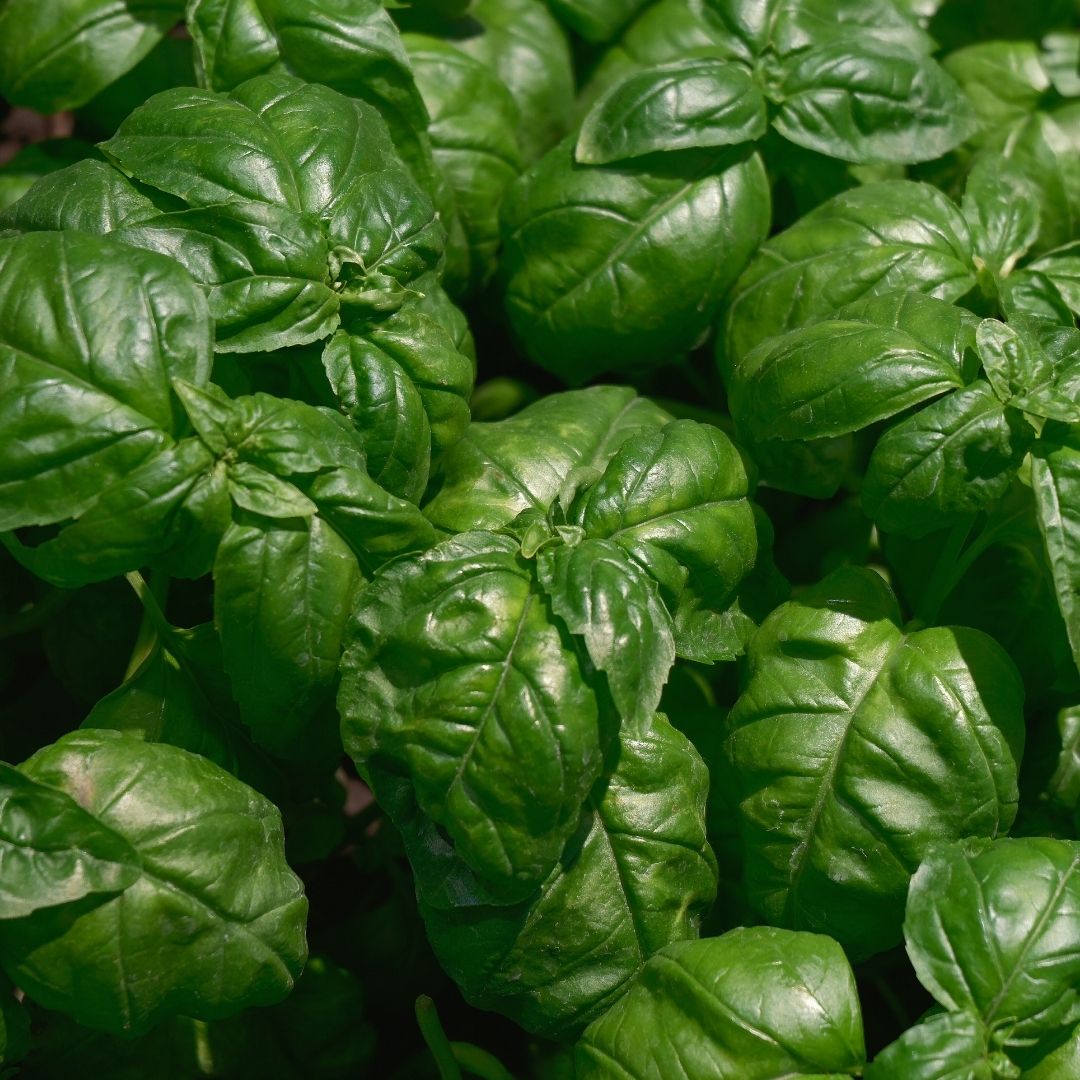
Originally from Liguria, Pesto Genovese is probably one of the best-known Italian recipes in the world. The traditional preparation calls for Ligurian basil, pine nuts, Parmigiano Reggiano, Pecorino, garlic, extra virgin olive oil, and salt.
Which pasta to pair it with
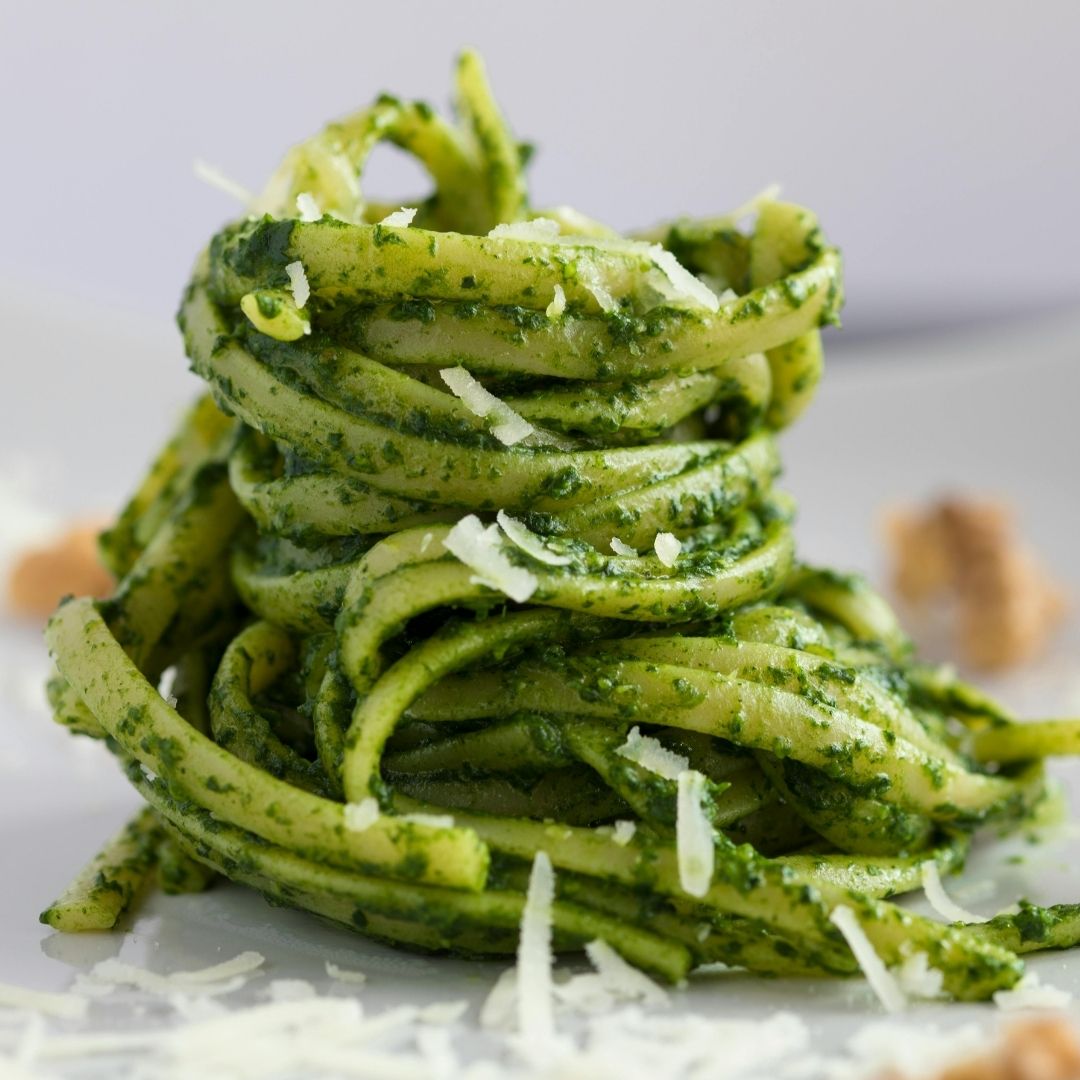
Tradition calls for serving it with trofie, trenette, and linguine. Its creamy texture wraps perfectly around the pasta, creating a unique balance between aroma and savoriness.
Fun fact: according to the traditional recipe, pesto should be prepared with a mortar and pestle to best preserve the basil’s aromas.
2. Pesto alla Trapanese: the flavor of western Sicily
Its history
Born in the Trapani area, Pesto alla Trapanese tells the story of a meeting between Mediterranean cultures and traditions. It’s said that Genoese sailors brought the idea of pesto to Sicily, where it was later reinterpreted with local ingredients.
The ingredients
It’s made with fresh tomatoes, almonds, basil, garlic, and extra virgin olive oil. The result is a fresh, fragrant condiment that’s slightly more delicate than Pesto Genovese.
Which pasta to pair it with
It’s particularly well suited to busiate, fusilli, gemelli, and chifferi—shapes that hold the sauce perfectly.
Fun fact: almonds replace pine nuts, giving the pesto a distinctly Sicilian character.
3. Pesto Rosso Siciliano: color and intensity
The ingredients
The stars here are sun-dried tomatoes, ricotta, almonds, basil, and extra virgin olive oil — a mix that creates a pesto with an intense, enveloping flavor.
Which pasta to pair it with
It pairs beautifully with tortiglioni, penne, radiatori, and rigatoni. Ridged shapes help capture the sauce and distribute it evenly.
Fun fact: the sun-dried tomatoes make this pesto especially rich in flavor, ideal for summer dishes too.
4. Pesto Calabrese: Southern character
The ingredients
The recipe generally includes bell peppers, chili pepper, ricotta, basil, and extra virgin olive oil. The result is a creamy, aromatic pesto with a gentle kick.
Which pasta to pair it with
Perfect with strozzapreti, fusilli, cavatelli, and tortiglioni—shapes that can hold the sauce’s creaminess and balance its intensity.
Fun fact: every family keeps its own version of the recipe, making Pesto Calabrese one of the most varied and personal condiments in the regional tradition.
5. Arugula Pesto: an increasingly popular variation
The ingredients
Made with arugula, almonds or pine nuts, Parmigiano Reggiano, and extra virgin olive oil. Arugula’s slightly bitter taste creates a pleasant contrast with the pasta’s sweetness.
Which pasta to pair it with
Excellent with fusilli, gemelli, mafaldine, and radiatori.
Fun fact: it’s one of the quickest pestos to prepare—bringing a fresh, original condiment to the table in just minutes.
6. Pistachio Pesto: the condiment of recent years
Its history
Once a specialty of eastern Sicily, particularly the Bronte area, Pistachio Pesto has become one of the most popular condiments in recent years.
The ingredients
The recipe includes pistachios, extra virgin olive oil, Parmigiano Reggiano or Pecorino, basil, and a pinch of pepper. The result is a velvety cream with a bright color and an elegant flavor.
Which pasta to pair it with
It pairs particularly well with mafaldine, gemelli, fusilli, and tortiglioni.
Fun fact: today it’s often paired with shrimp, burrata, and stracciatella, becoming the star of many contemporary recipes.
7. Zucchini and Almond Pesto: lightness and freshness
The ingredients
Among the ingredients are zucchini, almonds, basil, Parmigiano Reggiano, and extra virgin olive oil. The texture is creamy yet delicate, ideal for the summer season.
Which pasta to pair it with
Perfect with chifferi, fusilli, radiatori, and penne.
Fun fact: it’s one of the most popular pestos for those looking to eat more vegetables without giving up on flavor.
8.Avocado and Basil Pesto: the contemporary version
The ingredients
The recipe calls for ripe avocado, fresh basil, lemon juice, extra virgin olive oil, and almonds or pine nuts. The result is a soft, fresh condiment full of aroma.
Which pasta to pair it with
It pairs very well with spaghetti, linguine, gemelli, and fusilli.
Fun fact: although a contemporary recipe, it keeps to the classic philosophy of Italian pestos — a few ingredients worked together into a simple yet delicious condiment.
Which pasta should you choose for pesto?
Choosing the right shape is key to showcasing any pesto:
• creamier pestos pair well with long pasta shapes like linguine and spaghetti
• more rustic pestos find their ideal match in shapes like tortiglioni, fusilli, gemelli, chifferi, and radiatori
A quality pasta like Valdigrano Qualità Superiore, made with 100% Italian Kronos® durum wheat, guarantees excellent bite and allows the sauce to cling perfectly to the surface, bringing out the best in every recipe.
A journey through the flavors of Italy
From Ligurian basil to Sicilian almonds, from Calabrian peppers to Mediterranean tomatoes, all the way to more modern interpretations made with pistachio, zucchini, or avocado, regional pestos tell the extraordinary richness of Italian cuisine and its ongoing ability to evolve. Trying these variations means discovering authentic ingredients, local traditions, and new pairings—one plate of pasta at a time.