
When we think of pasta, we often end up choosing the same shapes. Yet Italian tradition is made up of shapes created for specific needs, linked to the local area, the sauces available and everyday cooking at home.
There are shapes that are not commonly found on our tables, but which have a strong personality and a well-defined function. Knowing them means cooking better, not more complicated. It also means rediscovering the pleasure of variety, starting with pasta.
Chifferi: small, curved, perfect for everyday cooking
Chifferi pasta has a discreet, almost shy shape. Curved and compact, it looks simple but is actually extremely functional. It was created as a practical shape, designed to adapt to many different dishes, especially in everyday cooking.
Their curve creates a sort of natural ‘embrace’ for the sauce, which collects inside without slipping away. This makes them ideal when you want a balanced dish, without excess.
In the kitchen, they are perfect with tomato sauces, cheese-based sauces, soft vegetables or baked dishes. They are one of those shapes that never tire and are worth rediscovering.
Strozzapreti: irregularity that makes the difference
Strozzapreti tell a popular story, one of hands kneading pasta without tools, deliberately leaving marks and imperfections. Their rolled, irregular shape is anything but random.
This “imperfection” becomes their strong point: the sauce grips, sticks and stays. Every bite is rich, full and satisfying. They are a pasta shape that invites you to cook generously.
In the kitchen, they are at their best with meat ragù, mushroom sauces and thick, rustic sauces. Ideal when you are looking for a dish with a strong, authentic character.
Radiators: when form follows function
Radiators are one of the most fascinating shapes from a functional point of view. Their shape, inspired by old cast iron radiators, is designed to maximise the surface area in contact with the sauce.
Each groove becomes an anchor point. Nothing is lost, everything stays on the plate. They are a perfect example of how pasta can be designed almost ‘engineered’.
In the kitchen, they work very well with sauces rich in ingredients: chopped vegetables, legumes, meat, but also with creamy and structured sauces. An ideal choice when the sauce is the star of the show.
Mafaldine: elegance meets substance
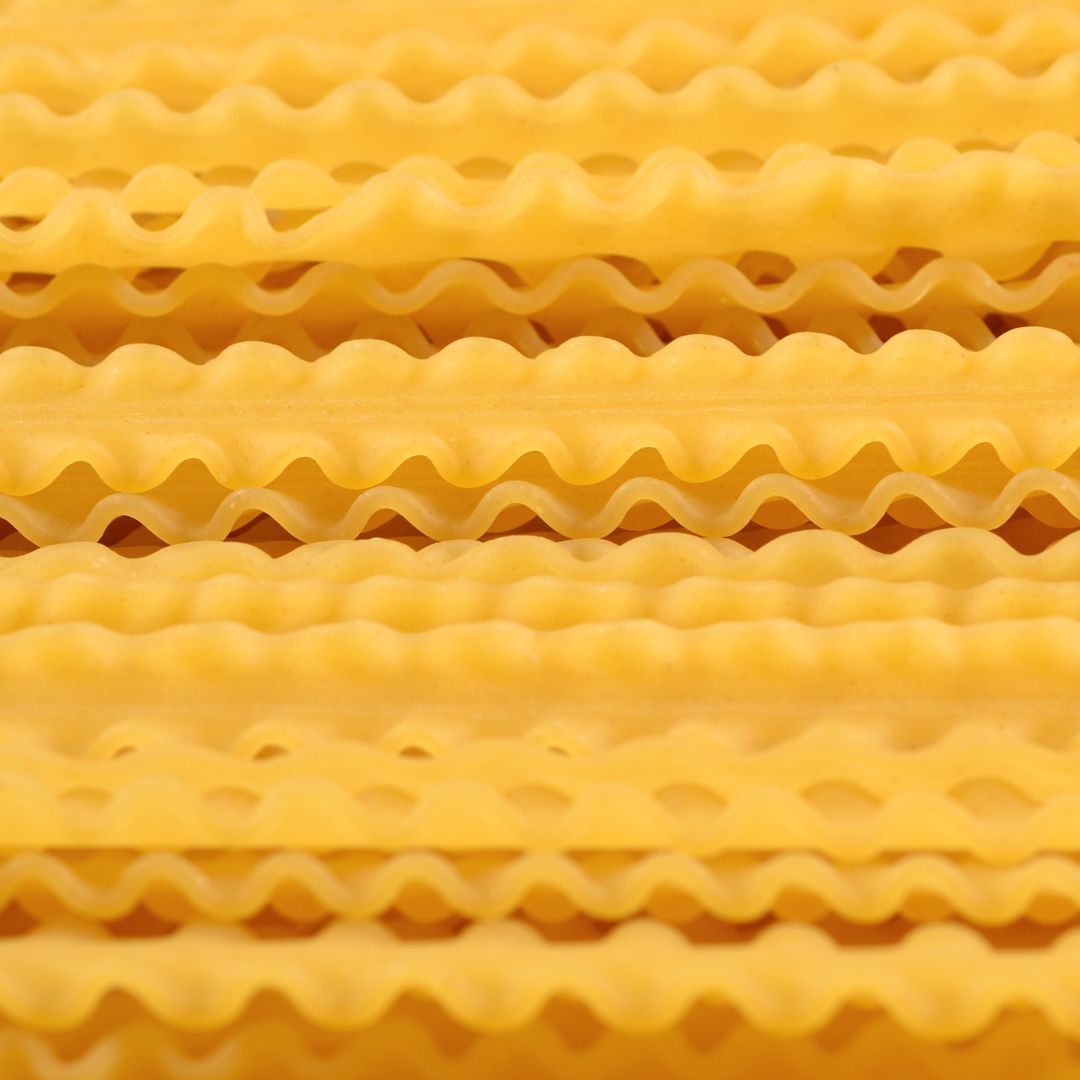
Mafaldine, with their wavy edges, are a pasta shape that immediately catches the eye. Created as a tribute to Mafalda of Savoy, they combine aesthetics and functionality in a surprising way.
The waves increase the surface area of the pasta and allow the sauce to coat it evenly, creating a dish that is harmonious in both taste and presentation.
In the kitchen, they are ideal with rich but not overly heavy sauces: butter and sage, delicate meat sauces, vegetable or fish sauces. A perfect shape when you want to serve something simple yet elegant.
Cavatelli: pasta born from a gesture
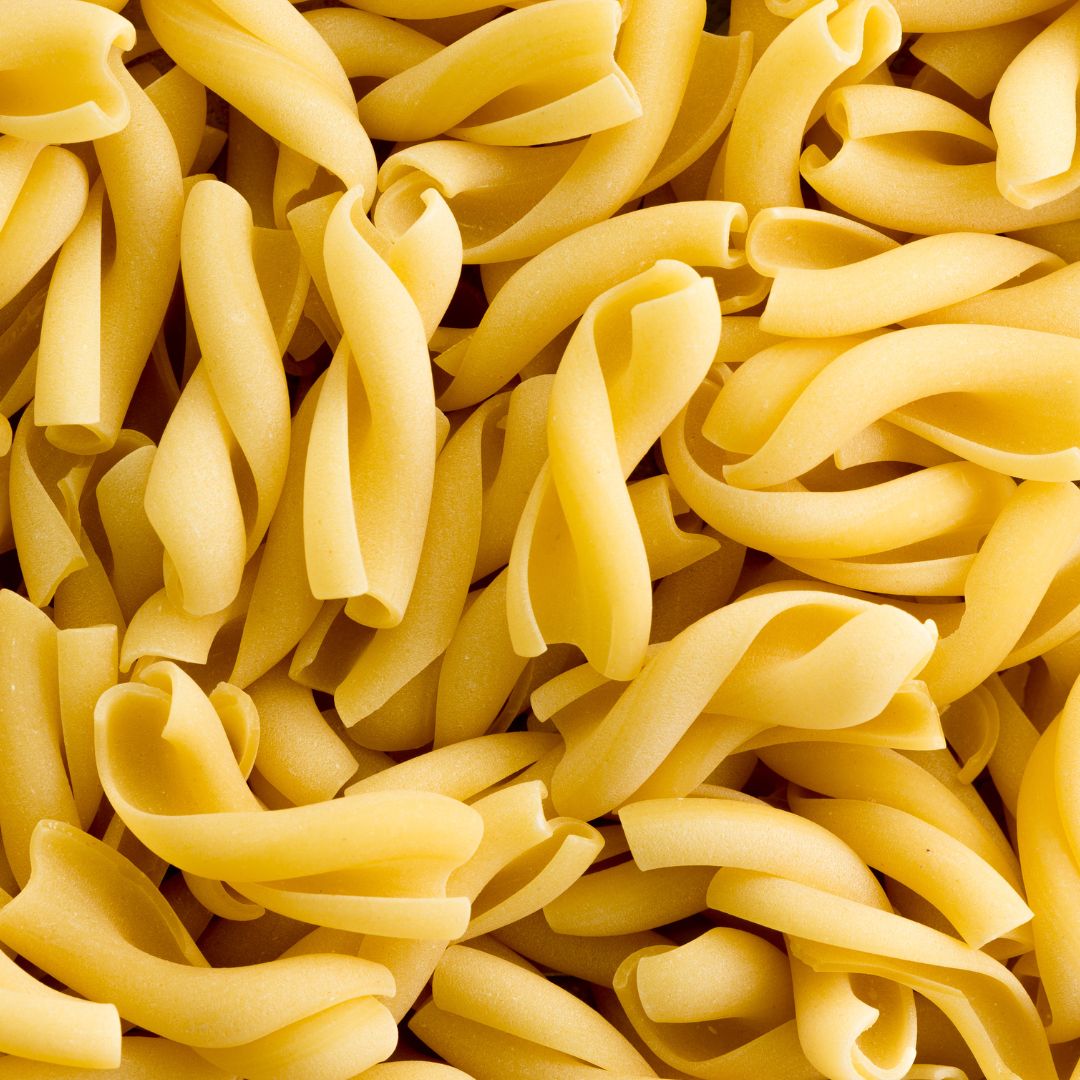
Cavatelli are one of the pasta shapes most closely linked to the tradition of homemade pasta. They are created with a simple gesture, repeated for generations, which creates a small central cavity.
This cavity is not only a distinctive feature, but also has a real function: to hold the sauce and distribute it naturally.
They are extraordinary in the kitchen with seasonal vegetables, legumes and rustic sauces. Broccoli, turnip greens, chickpeas: simple ingredients that find a perfect ally in cavatelli.
Gemelli: a surprising shape
At first glance, they look like two twisted strands, but the gemelli are actually a single shape that plays on the twist. This structure creates movement on the plate and an interesting interaction with the sauce.
The sauce is distributed between the spirals, without accumulating or sliding off. The result is a balanced and pleasant bite.
They are very versatile in the kitchen: they lend themselves to creamy sauces, cheese sauces, sautéed vegetables and even pasta salads, where their shape remains well defined.
Quality as a starting point
Discovering new shapes only makes sense if the pasta is able to maintain its structure and function. High-quality pasta such as Valdigrano guarantees:
• firmness during cooking
• consistency
• enhancement of shape
These are fundamental elements that allow even lesser-known shapes to truly express themselves.
Going beyond the most commonly used shapes means rediscovering the richness of Italian tradition and making everyday cooking more varied and interesting. Chifferi, strozzapreti, radiatori, mafaldine, cavatelli and gemelli are not curiosities for connoisseurs, but intelligent choices for those who love to cook with awareness.
With a pinch of curiosity and a quality pasta such as Valdigrano, every shape becomes an invitation to experiment, recount and give new form to the pleasure of pasta, day after day.